
Most rowing machine problems are not fitness problems — they are pacing problems. Rush the catch, spike the rate, then wonder why the last five minutes hurt more than the first. Holding a target SPM is how you keep power smooth and repeatable.
What SPM actually controls
SPM is not the same as effort. Two rowers at 24 SPM can produce very different splits depending on how hard they press each stroke. What SPM does control is rhythm: the ratio between drive and recovery, how often you load the flywheel, and whether your technique stays organized when you fatigue.
- Too high, too soon: rate climbs, stroke length shrinks, and heart rate spikes without better splits.
- Too low for the work: you grind heavy strokes that feel strong but under-shoot interval targets.
- Inconsistent within a piece: the monitor looks fine averaged over a minute, but each stroke is a different event — hard to build fitness or compare sessions.
Programmed workouts specify SPM for a reason. Steady rows might sit at 20–22. Intervals might step to 26–30. The number is the coach telling you how fast the flywheel should spin, not just how tired you should feel.
Why a metronome beats staring at a screen
Concept2 monitors are brilliant for data. They are less brilliant as a constant eyes-up target. Many rowers end up locked on the display — shoulders tense, breathing late, catch timing slips — because they are reacting to numbers instead of feeling rhythm.
A metronome removes that dependency. You hear the beat, you match the stroke, and your gaze can stay neutral: forward in a gym, at a mirror for posture, or closed if you are rowing for flow. That matters especially when:
- The monitor is awkwardly placed — low, off-centre, or shared in a busy gym.
- You row without a performance monitor — some home rowing machines have basic displays or none at all (we cover how to row without a monitor in its own guide).
- You want fewer cognitive tabs open — intervals already ask for effort; adding “watch the rate” is one more task your brain does not need.
Audio pacing is the same trick musicians use: an external tempo you internalize. On the rowing machine, that tempo is SPM. When the beat is steady, your recovery stops collapsing and your drive stops snatching.
How the metronome works in Rowing Machine Workouts
Every guided session in Rowing Machine Workouts includes a built-in metronome tied to the workout you are running — not a generic click track you set once and forget.
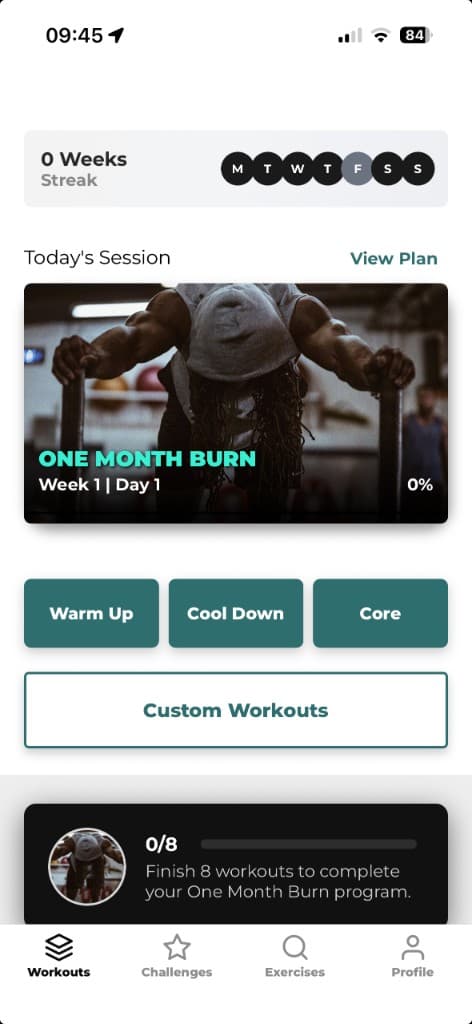
- Pick a program or single workout — Lose Weight, Max Power, or a one-off piece from the library.
- Start the session — warm-up, work intervals, and cool-down segments load in order with their own targets.
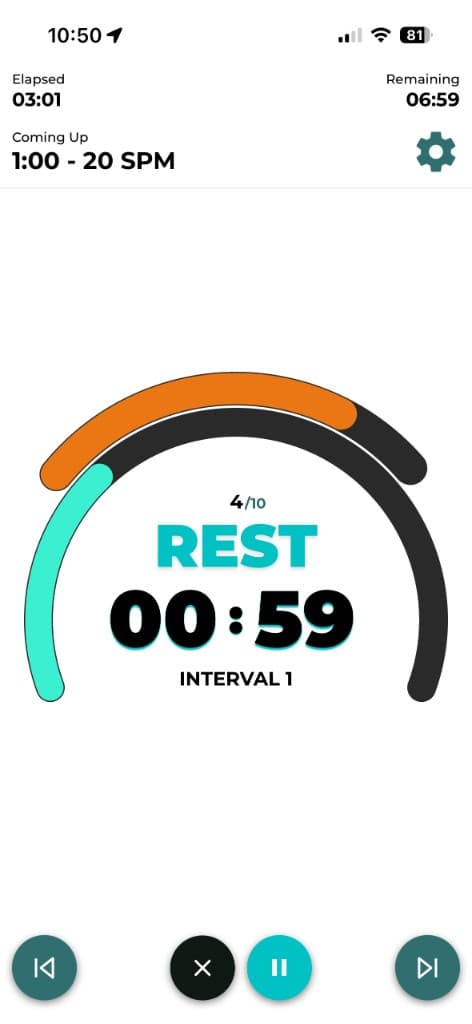
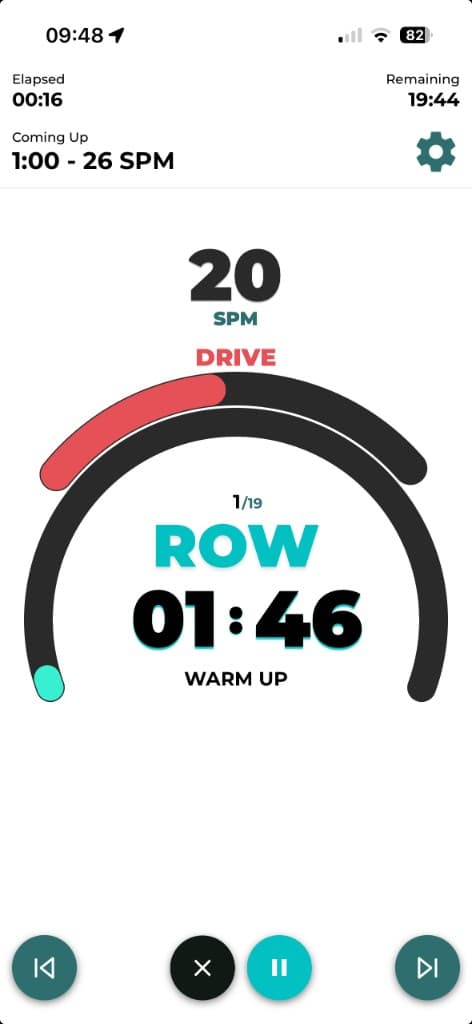
- Follow the SPM tick — the app sounds a metronome at the target strokes per minute for the current step. Match one drive–recovery cycle to each beat.
- Let segments update automatically — when the plan moves from steady work to a higher-rate burst, the metronome shifts to the new SPM so you stay on-plan without tapping the phone.
Rest periods keep the structure clear too: work cues when to pull, rest cues when to stop, so you are not guessing where an interval ends. Distance and time still log when you finish — the metronome handles the tempo layer during the row.
Practical tips for rowing to the beat
- Set volume so you can hear it over the fan — phone speaker or headphones both work; the goal is a clear tick you can sync to without visual checks.
- Match the catch to the beat, not the finish — if you land your catch on the tick, rate stays honest; if you chase the finish, you will rush the recovery.
- Trust the plan’s SPM ranges — programs in the app already scale rate to the work type. Fight the urge to add two SPM because you feel fresh in minute one.
- Glance at splits occasionally — use the monitor for output checks, not continuous rate policing. Let the metronome own rhythm.
When a metronome helps most
Steady-state rows, weight-loss intervals, and technique rebuild weeks all benefit — anywhere consistency matters more than a single heroic split. Power intervals still use SPM targets; the beat just keeps you from sprinting the first rep at 34 when the plan asked for 28.
If you have never rowed to audio pacing before, try one short workout with the phone to the side and only look at the end-of-session summary. Most athletes report cleaner rhythm within a session or two — and less mental fatigue from watching numbers tick.